
Madison Chesarek | October 29, 2026 | News
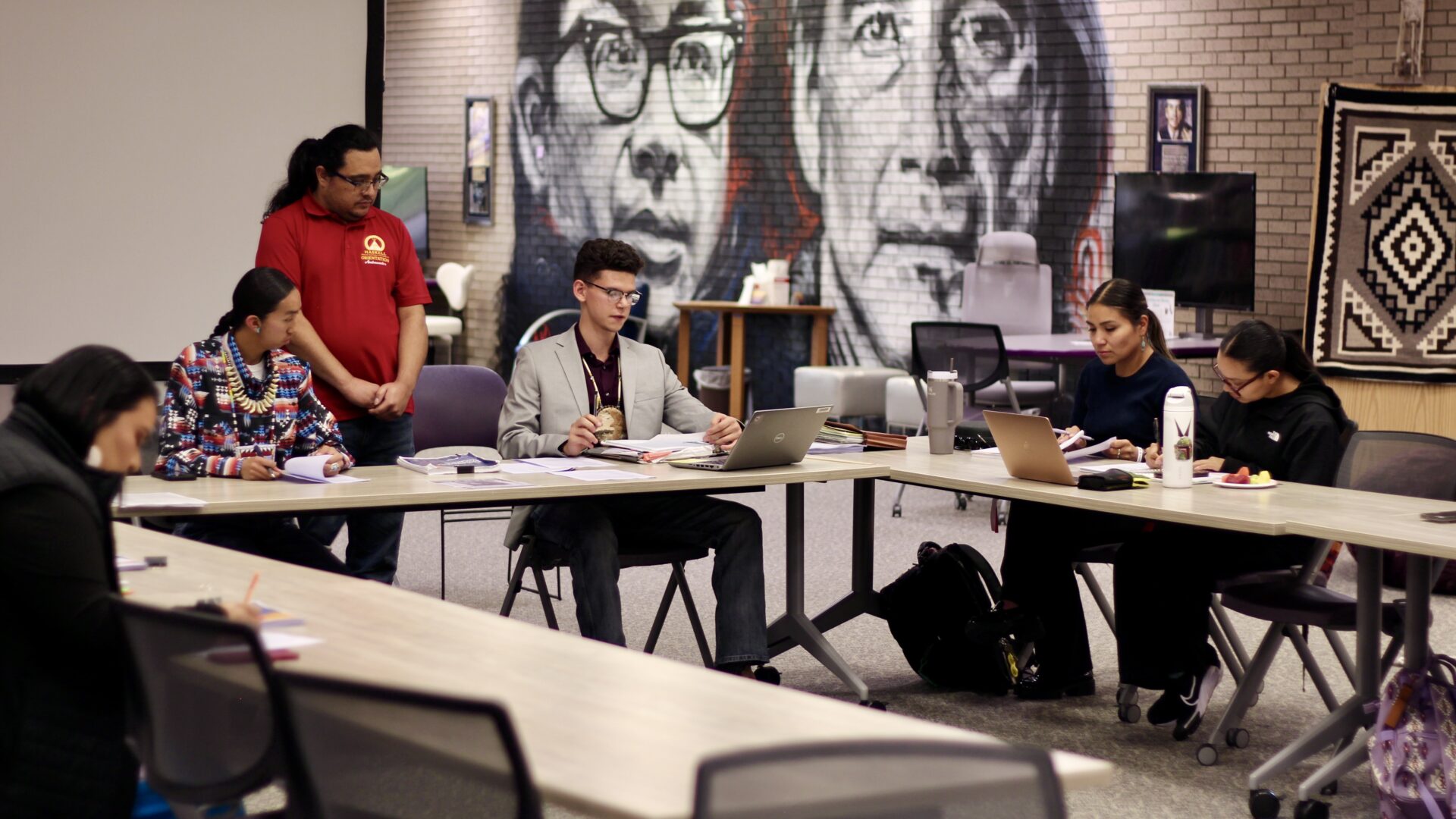
LAWRENCE, Kan. – Haskell Indian Nations University’s newly elected Student Government Association members held its first meeting Oct. 20, approving about eight student club sanctioning applications while navigating parliamentary procedures and discussing the association’s future operations.
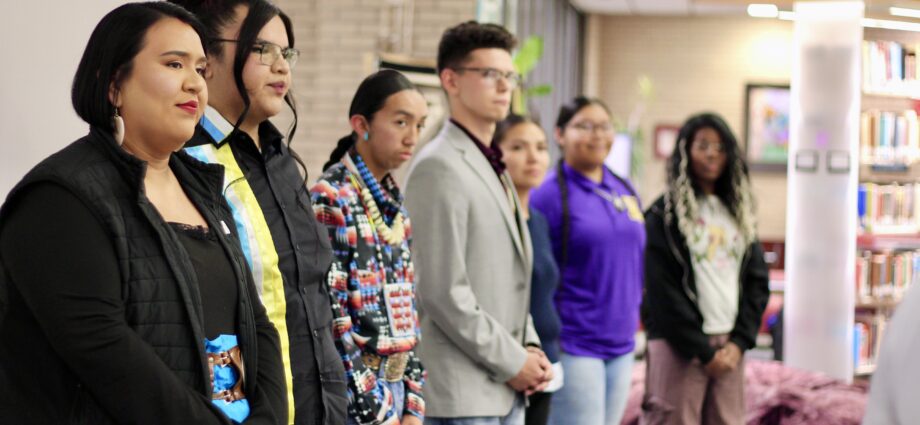
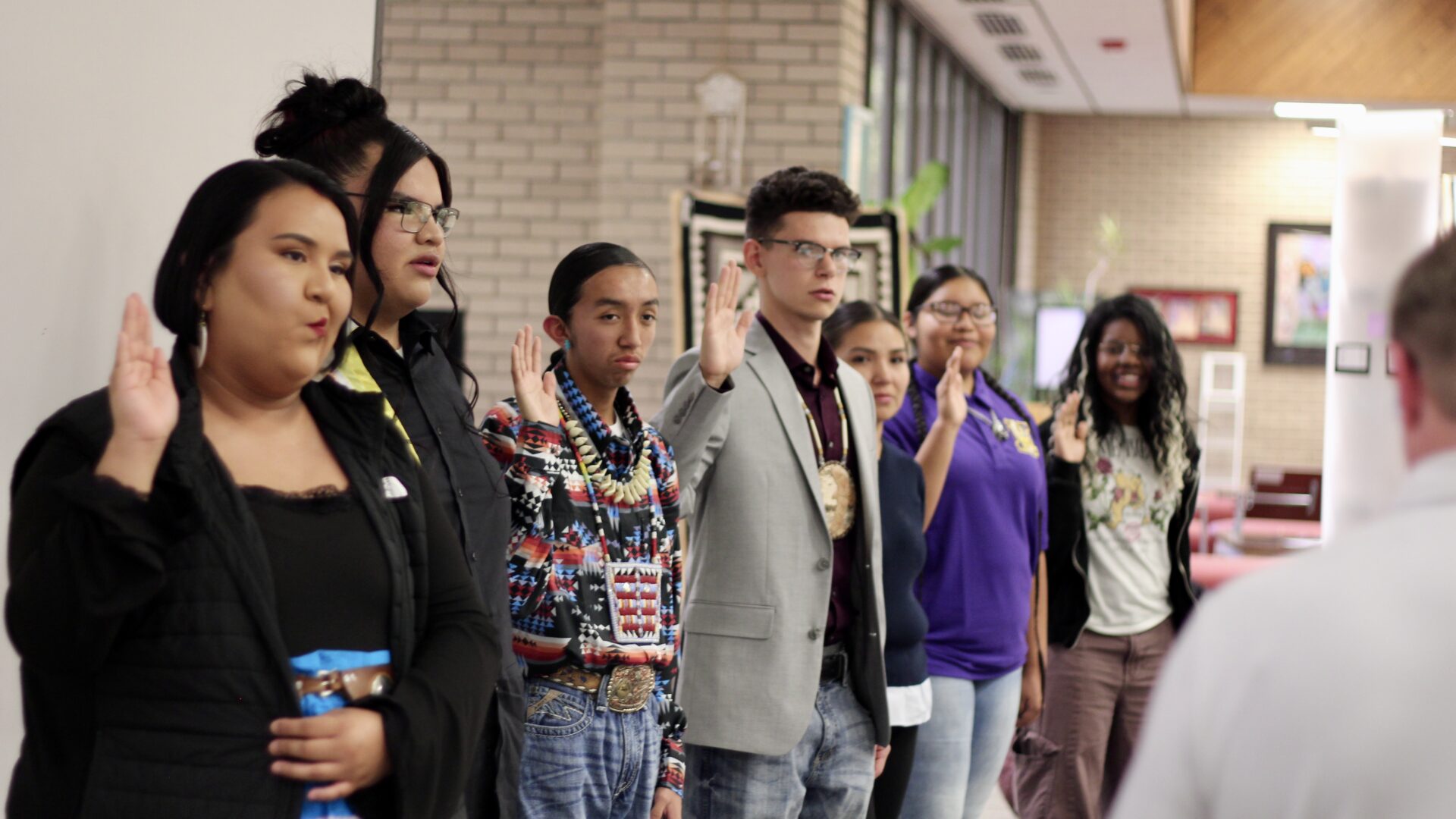
Haskell President Alex Red Corn administered the oath of office to newly elected SGA members, including President Cody Peters and Vice President Tristan Tenorio, marking the return of an executive board following a period without student government leadership.
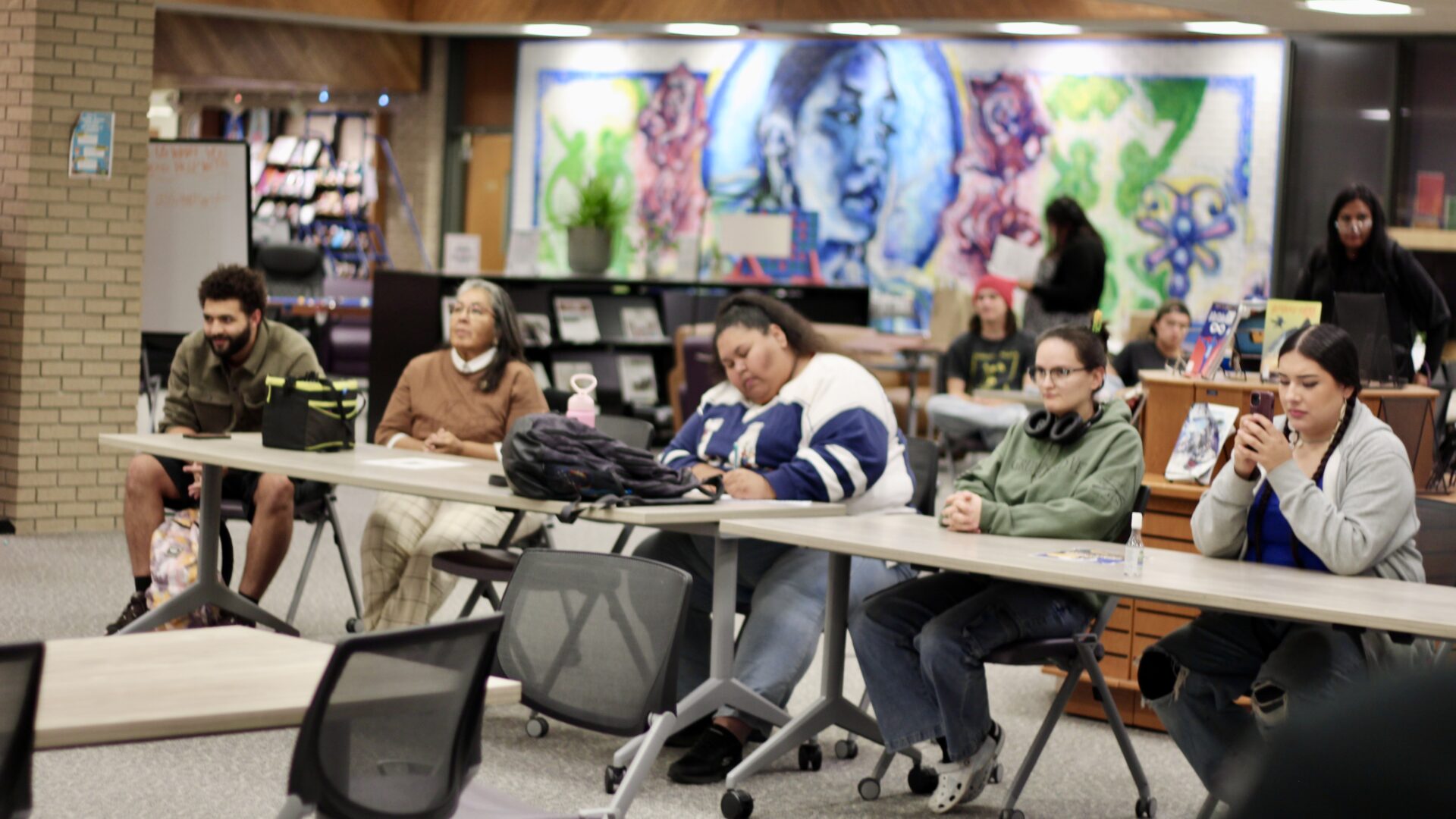
The meeting brought together student representatives and campus club leaders seeking official recognition for their organizations. Much of the discussion centered on club sanctioning, constitutional procedures and establishing a schedule for future meetings.
Peters guided the association through its first official business, while SGA sponsor Austin Boykin frequently stepped in to explain parliamentary procedures, including making and seconding motions and conducting votes.
Members repeatedly discussed when they would meet again and which matters should be addressed during future executive and general meetings.
Representatives from student organizations submitted their sanctioning packets to SGA officers for review. To expedite the process, SGA members voted to approve the applications collectively rather than individually, without requiring each organization to formally present its purpose to the assembly.
Boykin said additional signatures and written notices would be required before the organizations received official confirmation of their sanctioning.
The meeting also included a request from Haskell’s esports team for additional space to accommodate new racing simulator equipment. Representatives voted in favor of the request, although no specific room was identified.
Members also discussed reopening the student bank loan program, which would allow sanctioned student organizations to borrow funds for events and activities. The program would provide financial assistance to clubs without sufficient starting funds, allowing them to organize activities while developing their own fundraising efforts.
Another proposal came from Peters, who raised the possibility of lowering the GPA requirement for SGA members from 2.5 to 2.0. Discussion of the proposed change was postponed until a future meeting..
Peters also raised the possibility of restoring seats. Their current contracts no longer include SGA responsibilities, prompting discussion about potentially restoring their involvement.
Miss Haskell Caralynn Ayze, who attended the meeting, expressed no objection to participating in SGA. However, when Peters asked about Haskell Brave’s absence, she clarified that she was not responsible for his attendance or participation.
The association also began reviewing its governing constitution, with Boykin raising questions about differences among versions from 2013, 2018 and 2025.
Boykin expressed support for adopting the 2013 constitution as a foundation for future operations, citing its more detailed organizational policies and procedures. He acknowledged that revisions would still be necessary to address current university operations.
The association did not reach a final decision on which version of the constitution to adopt.
Following the meeting, student organization representatives shared differing reactions to the proceedings and the sanctioning process.
Danielle Lowe, treasurer of Haskell’s esports team, described the meeting as disorganized and questioned why potential constitutional changes had not been discussed earlier.
Lowe, who has attended Haskell since fall 2023, said the sanctioning process differed from previous semesters, when organizations presented their purposes and club representatives participated in voting.
She also emphasized the financial difficulties caused by delayed sanctioning.
The esports team was participating in two competitive leagues but had been unable to access its club funds to pay league fees while awaiting official recognition.
“Because we can’t get into our bank, we can’t pay for our leagues,” Lowe said.
Margaret Chanate, president of the Hand Games Club, also questioned the timing of the sanctioning process, explaining that delays had affected fundraising and meeting opportunities.
Chanate said official recognition would help the organization recruit members and expand participation in cultural activities, including planned Hand Game demonstrations during Native American Heritage Month.
Teron Lone Elk, a representative of the American Indian Higher Education Consortium (AIHEC) Club, offered a more positive assessment of the meeting. He acknowledged that many of the newly elected representatives were still learning their responsibilities and expressed confidence that they would become more comfortable over time.
Kyonia Kanagawa, treasurer of Gamma Delta Pi, described the beginning of the meeting as confusing but said the discussions were productive overall.
Kanagawa expressed support for the sanctioning decisions, explaining that recognition would allow clubs to resume fundraising and campus activities.
Following the meeting, Boykin acknowledged that the new representatives would need additional guidance on parliamentary procedures and managing official business.
He said future meetings would focus on constitutional revisions, establishing policies and procedures, and addressing vacancies within student government.
Boykin also emphasized that rebuilding the association would take time, with some organizational work potentially continuing into the spring semester.
Tenorio identified engaging with students and their clubs as one of the meeting’s accomplishments. He said he hoped to become more comfortable speaking during meetings and advocating for students as vice president.
Red Corn emphasized the importance of restoring student representation in university decisions and increasing communication among student government, faculty, staff and administrators.
“The more collaboration and the more conversations that we open, the better,” Red Corn said.
With the first meeting concluded, the newly elected SGA faces the task of finalizing club recognition, establishing its governing procedures and determining how student representatives will conduct business for the rest of the semester.
The SGA’s next general club meeting is scheduled for 5:30 p.m. Nov. 2 in Tommaney Library. Club representatives have been asked to attend and direct questions or concerns to President Cody Peters, Vice President Tristan Tenorio or SGA sponsor Austin Boykin.