Allison Levering | October 2, 2026 | Events
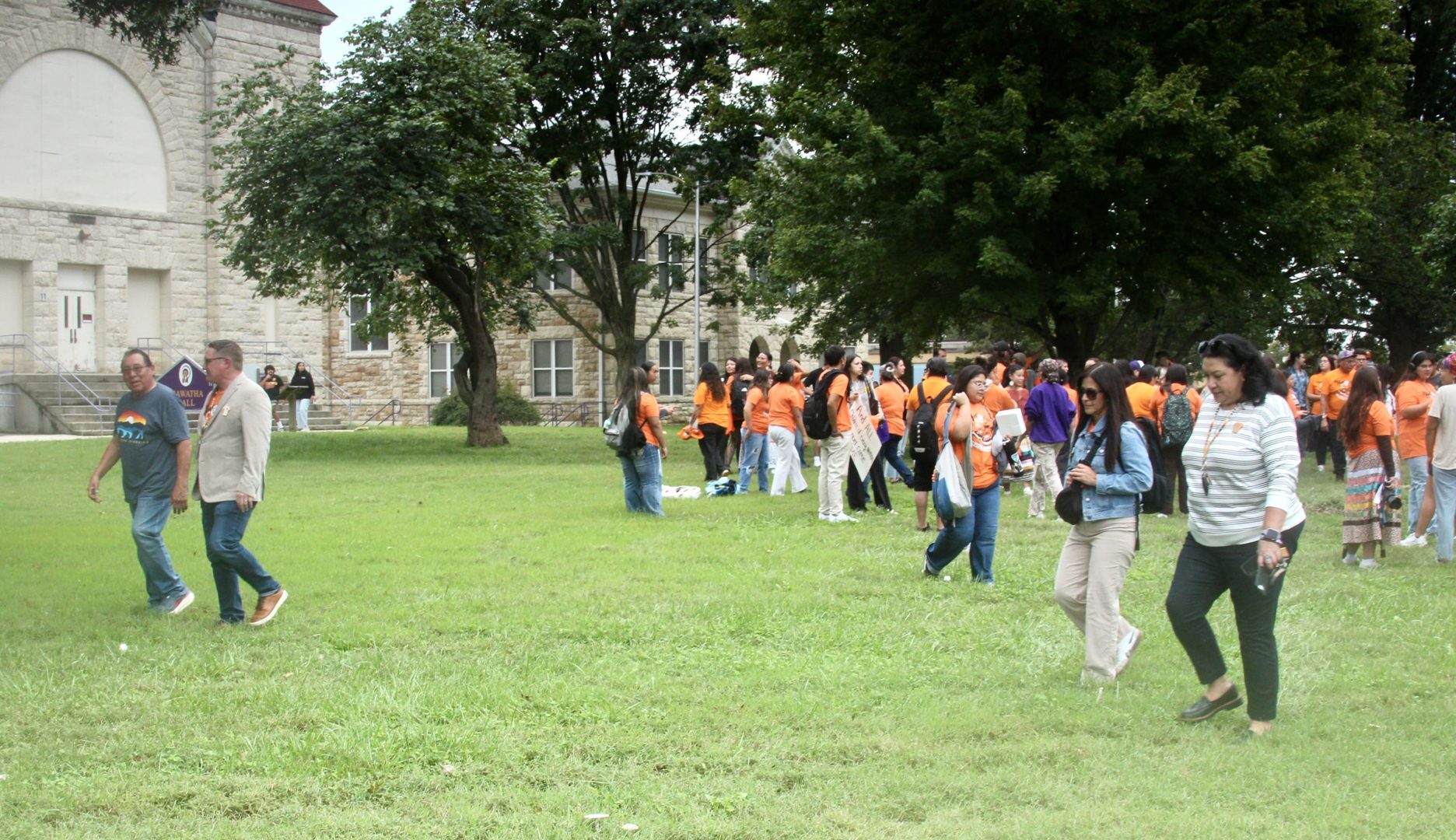
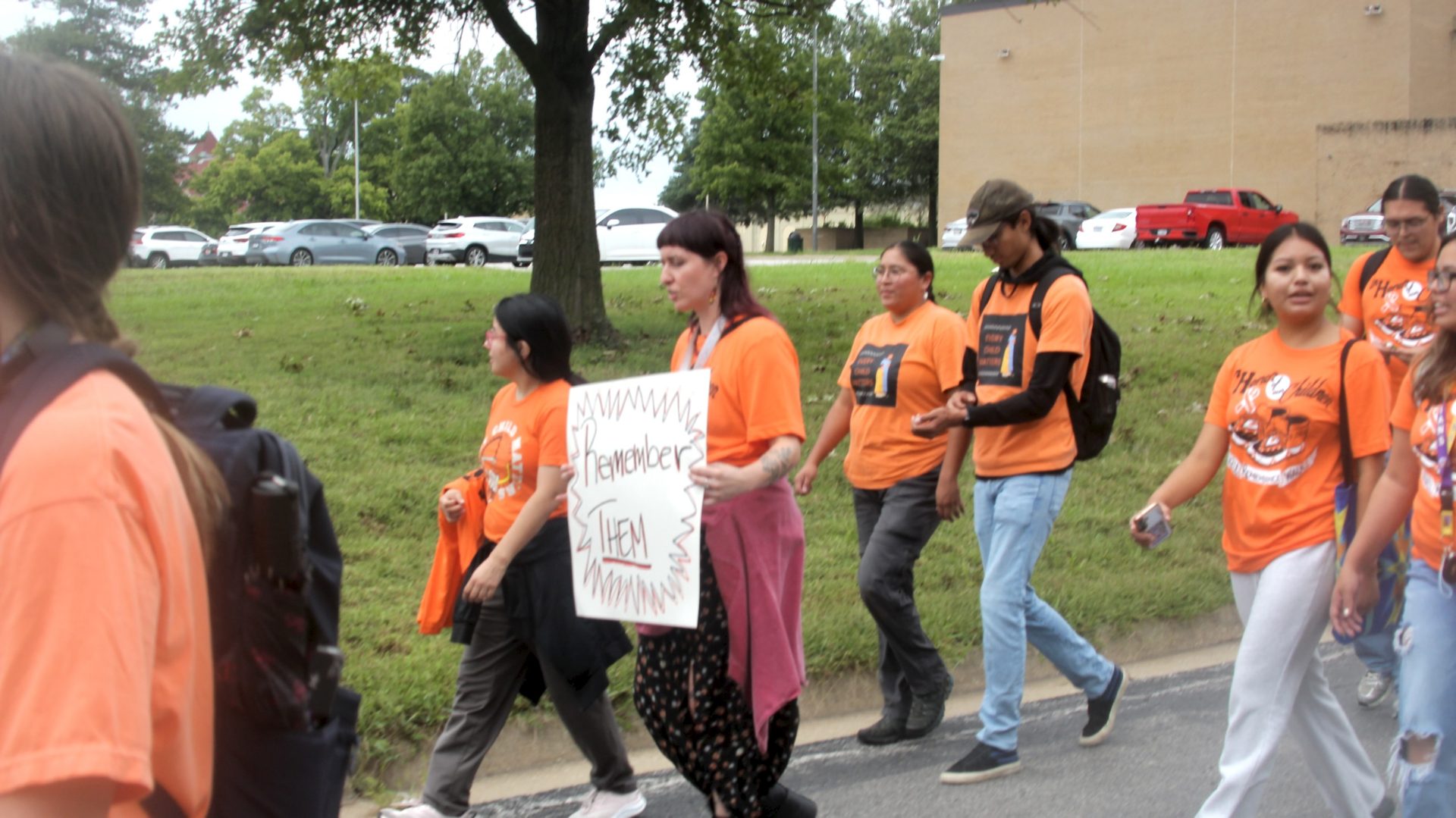
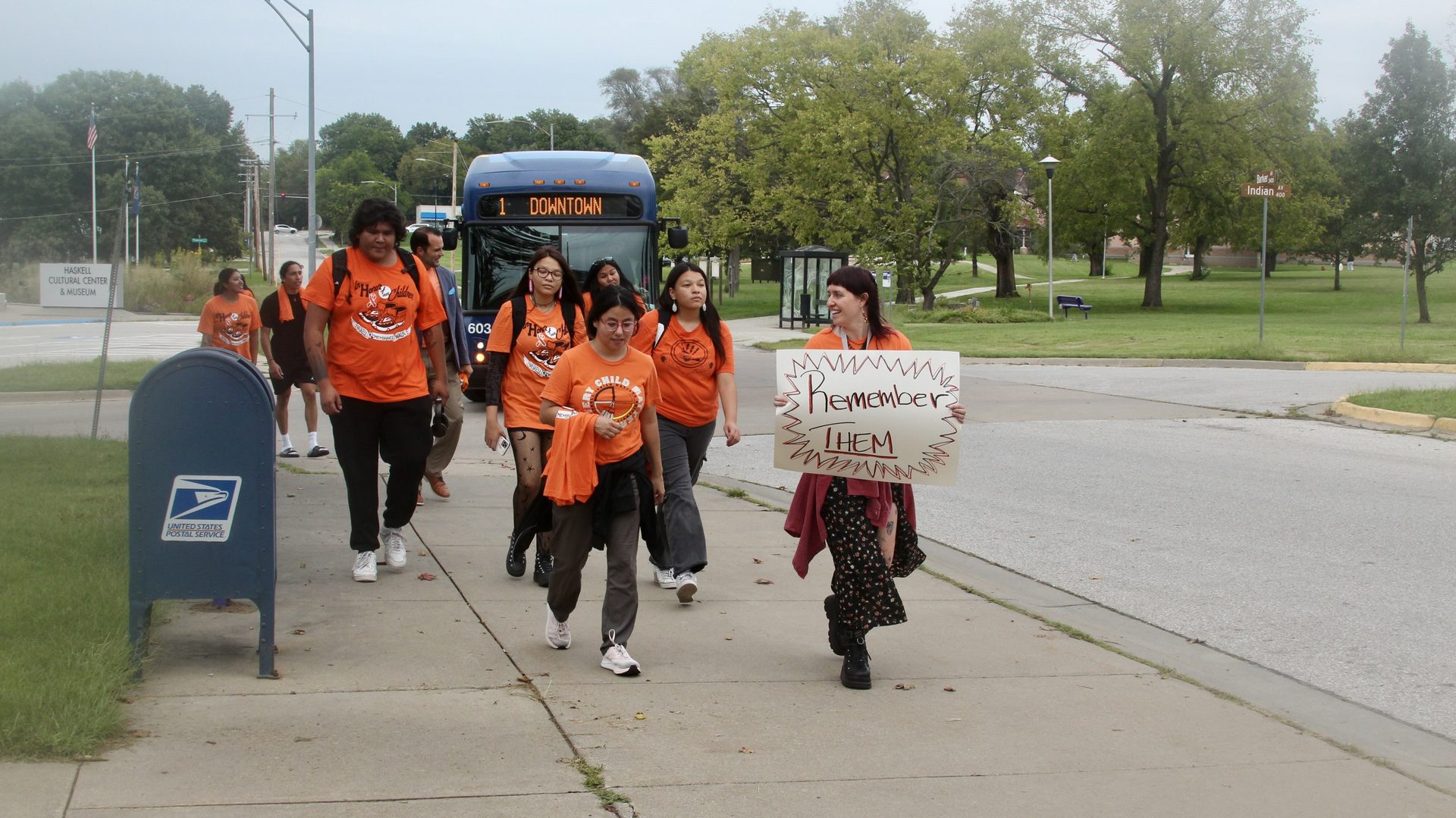
LAWRENCE, Kan. — After more than 140 years of history, the Haskell Indian Nations University community gathered on Sept. 30 as students, faculty, staff, alumni, and local residents united to honor the Native children who endured the federal Indian boarding school system and to remember those who never made it home.
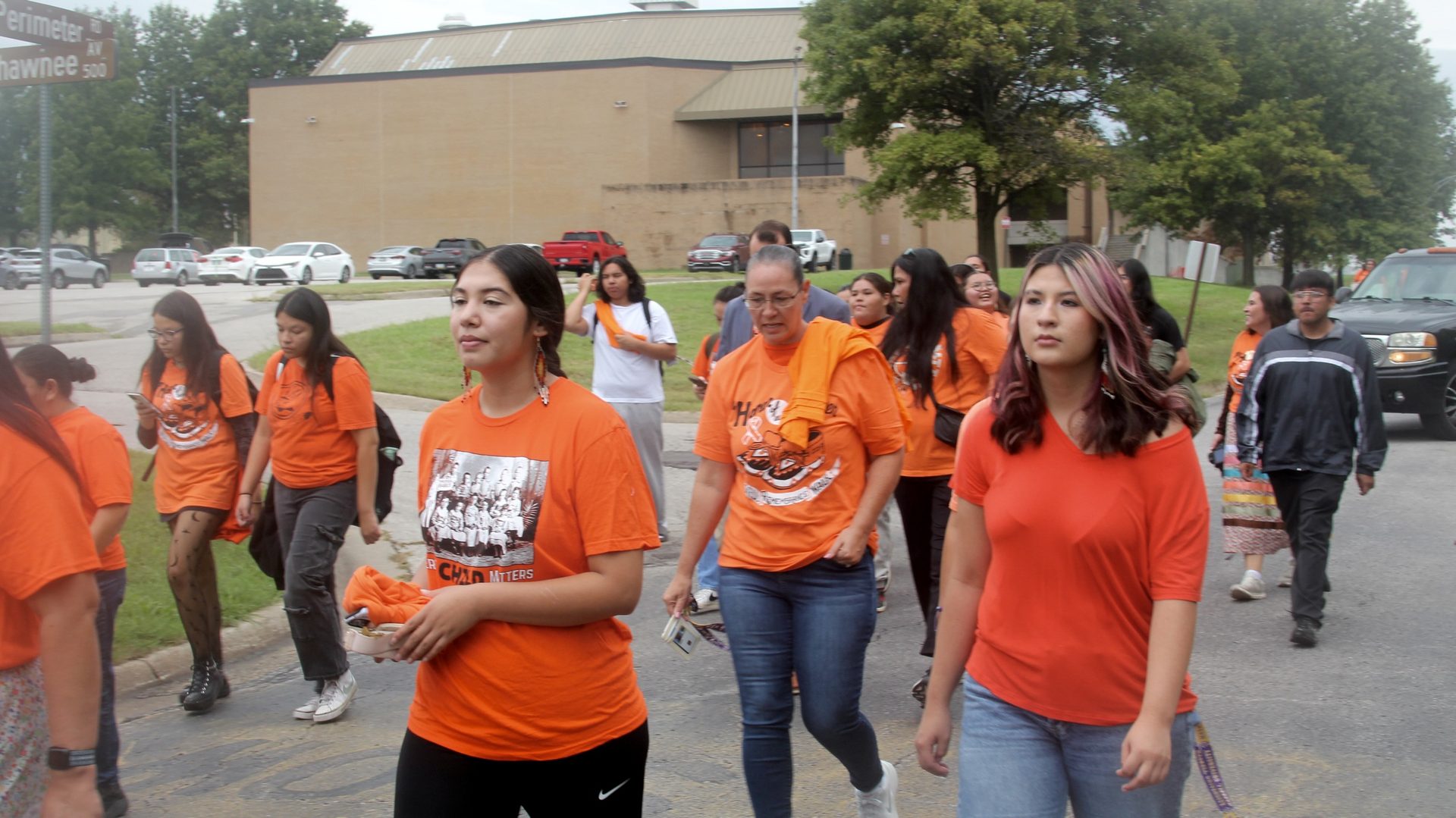
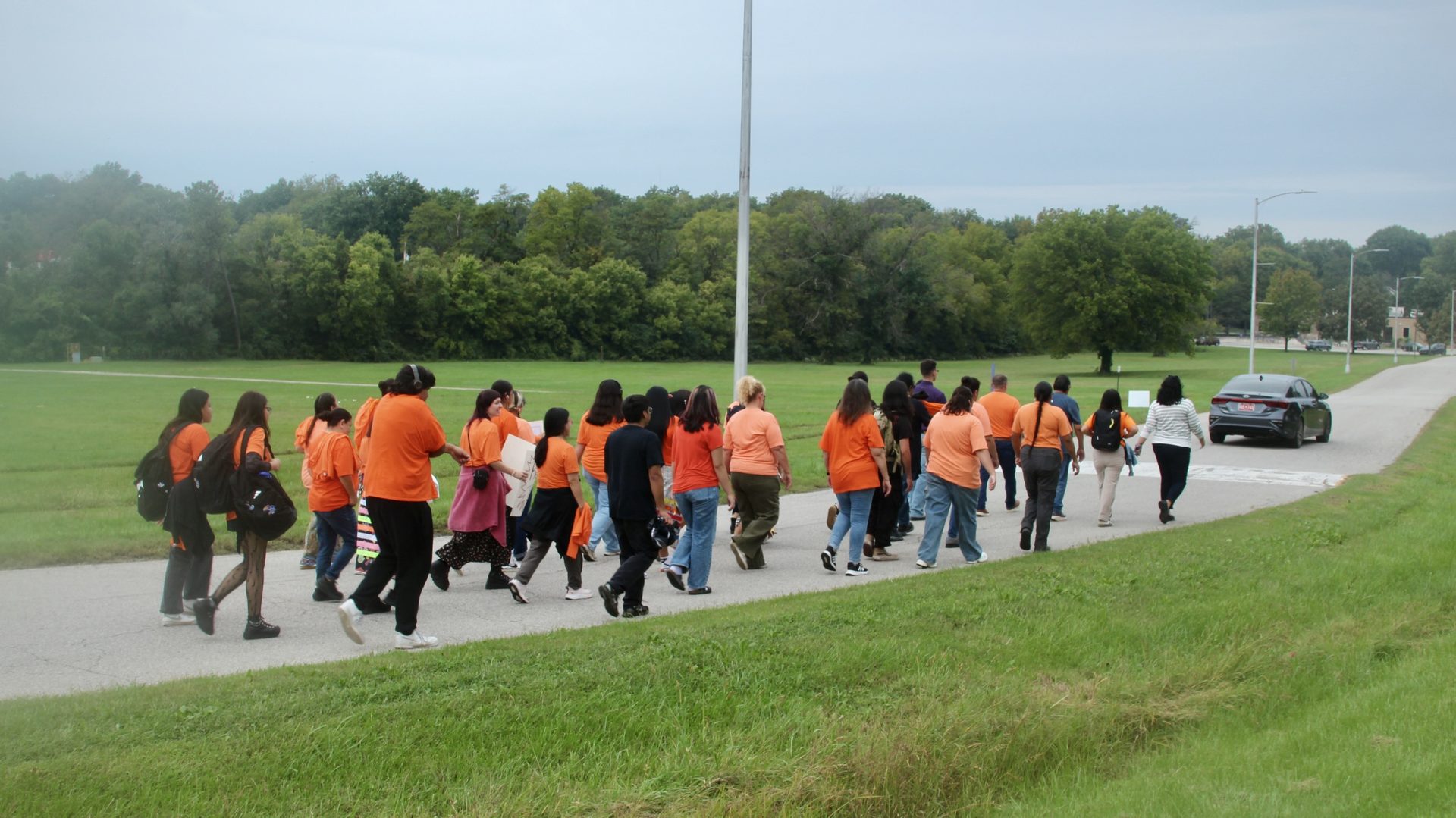
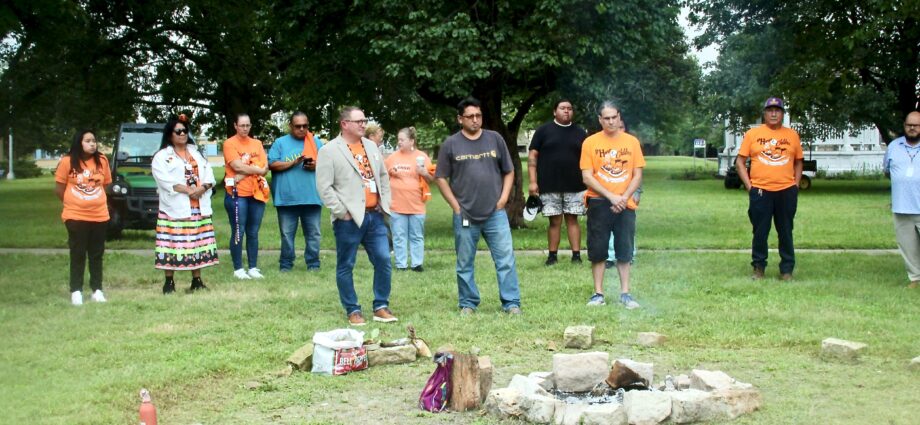
The walk began around Haskell’s community fire pit with cedar smudge and a prayer before participants walked around the campus that once operated as a federal Indian boarding school.
The group was led by Haskell President Alex Red Corn, College of Business Dean Mackie Moore, Student Success Center Director Melissa Holder and Student Government Association representatives Cody Peters and Rainer Brady. Together, they walked Perimeter Road around Haskell’s campus, giving thanks to the generations of students who walked the halls before them.
Haskell opened its doors in 1884 as the United States Indian Industrial Training School, a federal boarding school established during an era when Native children were systematically forcibly removed from their families and communities to be assimilated into white American culture.
The institution opened with just 22 American Indian students, but enrollment rapidly grew to over 300 by the end of its first year. Alongside elementary instruction, young students performed strenuous agricultural, industrial, and domestic labor: boys learned trades like farming, blacksmithing, tailoring, and wagon making, while girls learned cooking, sewing, and housekeeping.
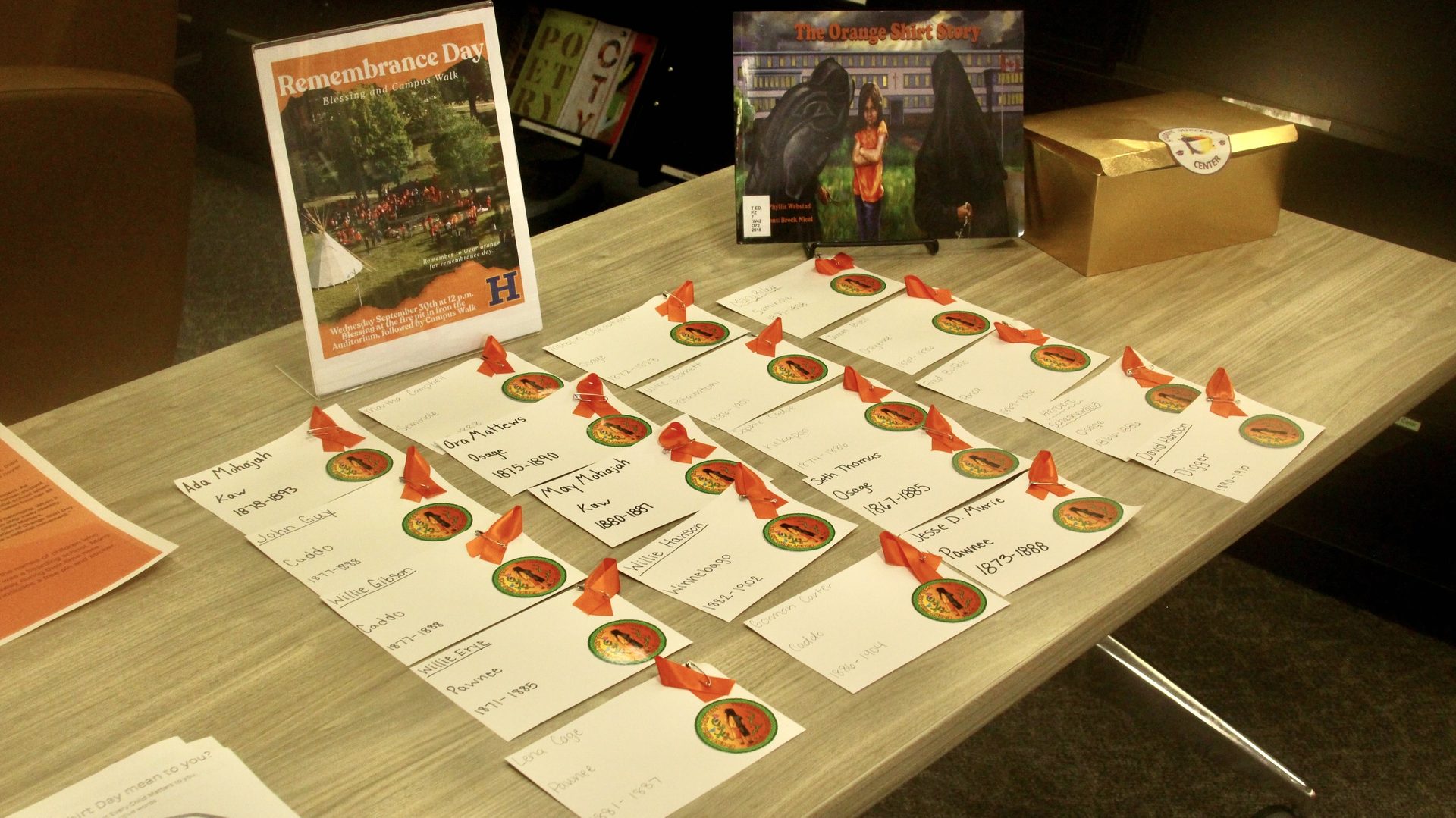
Sept. 30 is observed across the United States as the National Day of Remembrance for Indian Boarding School Survivors. The day honors the children, survivors, descendants, families and Tribal communities affected by the federal Indian boarding school system.
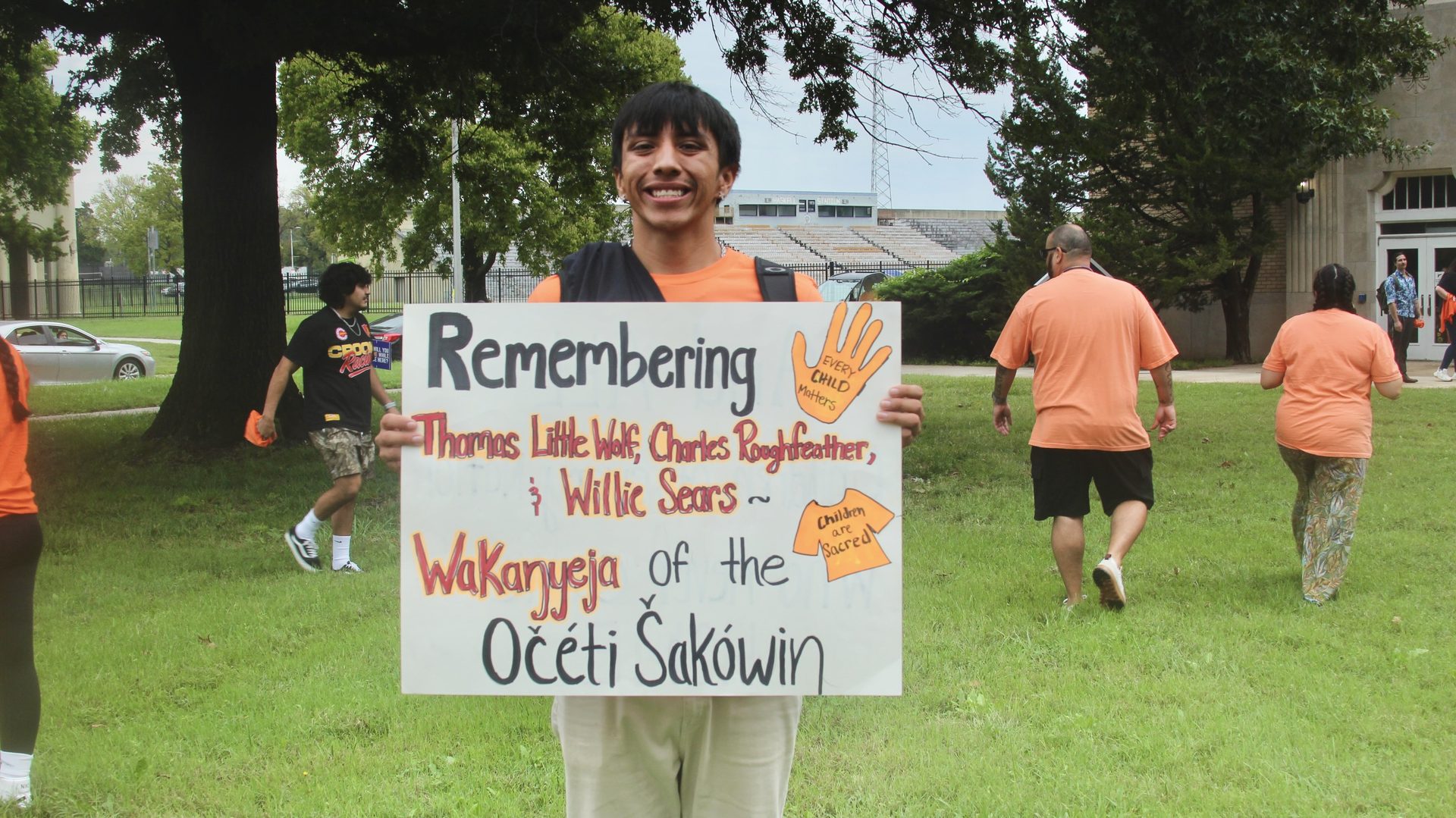
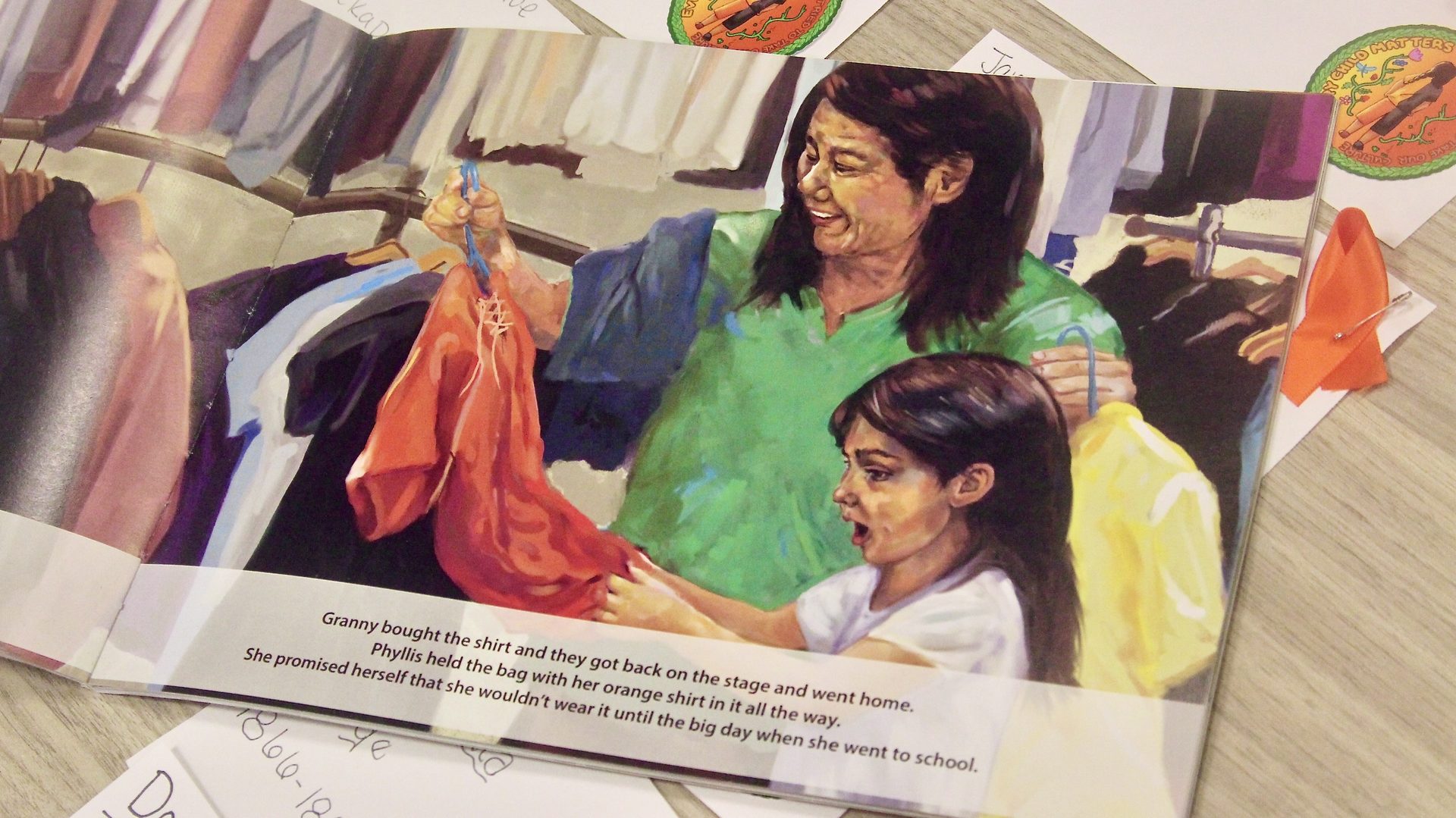
Across the border, Canada recognizes Sept. 30 as the National Day for Truth and Reconciliation. The date also marks Orange Shirt Day, an initiative inspired by the story of residential school survivor Phyllis Webstad.
Tyler Moore—a citizen of the Cherokee Nation, Haskell alumnus, and first-generation college student—emphasized that true remembrance requires a deep understanding of the land students occupy today.
“Remembrance Day means understanding the space that you inhabit and how this location has been changed by the students of the past,” Moore said.
Moore spoke specifically about the Wakarusa Wetlands south of campus. The area now preserved as wetlands was once tilled farmland where Haskell students were required to perform agricultural labor and adopt Western farming techniques.
“A hundred years ago, the wetlands that we know today were tilled farmlands, where students were forced to go out there to farm,” Moore said.
He noted that these practices were part of a broader policy aimed at severing Native youth from their traditional ways of life and food sovereignty, steering them toward a Western agricultural system.
Native students who once could have been punished for practicing their cultures now gather for powwows, speak their languages, burn medicine, play traditional games and openly represent their Tribal Nations on the same grounds where generations before them faced pressure to abandon those identities.
As the remembrance walk ended, the Haskell community carried the memory of the children who came before, the resilience of those who survived and the responsibility to continue telling their stories. More than a century after Haskell first opened its doors, Native students from all over the nation are still here learning, practicing their cultures openly and shaping what the campus will become next.